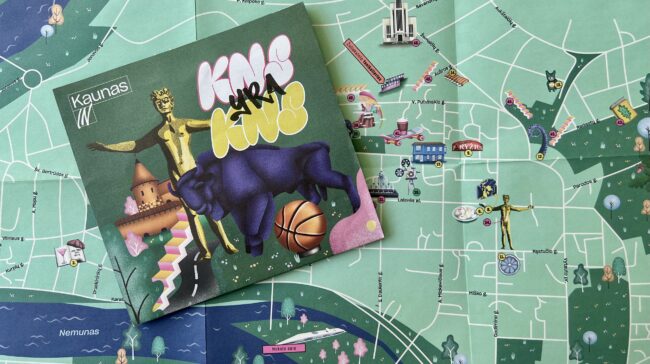
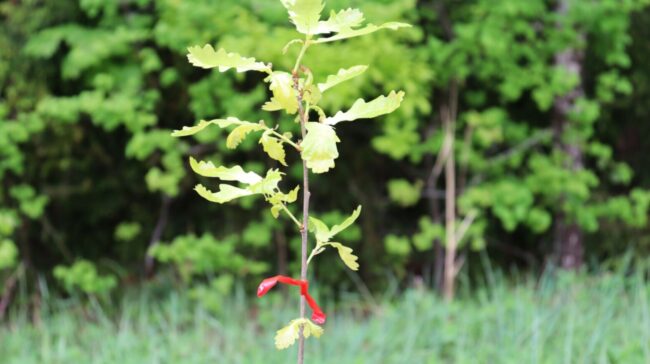
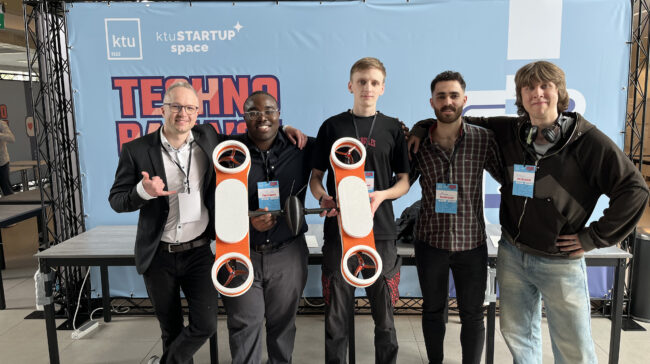
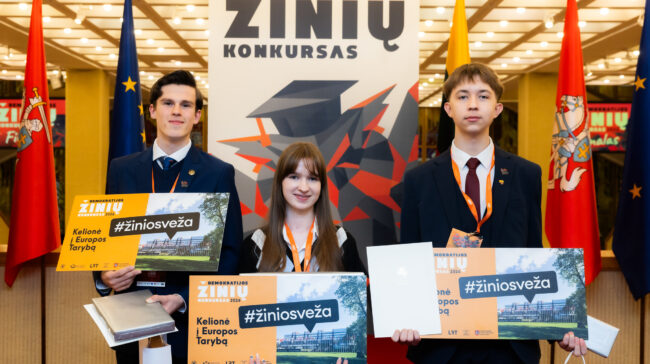
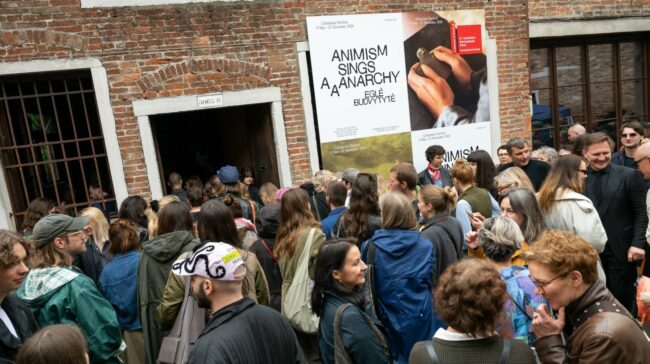
Atviri kurti kartu Svarbiausi faktai apie Lietuvą Sveiki atvykę į oficialią Lietuvos svetainę ValdymasSprendimaiGyvenimasKultūra Naujienos GyvenimasRekordinis šaltibarščių festivalis: „Vilnius Pink Soup Fest“ šiemet pritraukė beveik 180 tūkst. dalyvių2026 06 05GyvenimasPasimatymas su tikrąja miesto dvasia: naujas maršrutas „Kaunas yra Kaunas“ kviečia tapti vietiniu2026 06 04GyvenimasNuo šaltibarščių parado Nerimi iki rožinės čiuožyklos: „Vilnius Pink Soup Fest“ atskleidžia visą festivalio programą2026 05 26GyvenimasSprendimaiLietuvoje startavo iniciatyva „Milijonas medžių Lietuvai“: pirmieji ąžuolai pasodinti Rumšiškėse2026 05 21SprendimaiKTU studentai sukūrė vandens droną, galintį išgelbėti skęstančiuosius2026 05 19KultūraKanų kino festivalyje – trys prestižinės lietuviškos premjeros2026 05 13GyvenimasPenktąjį Demokratijos žinių konkursą laimėjo gimnazistė iš Šilutės r. Žemaičių Naumiesčio gimnazijos2026 05 11KultūraAtidarytas Lietuvos paviljonas 61-ojoje Venecijos meno bienalėje2026 05 07SprendimaiJaponija apdovanos prof. Virginijų Šikšnį Tekančios saulės ordinu2026 04 30KultūraMuziejui „Dingęs štetlas“ – prestižinis tarptautinis dizaino įvertinimas2026 04 28KultūraIš pašto ženklų Jolitos Vaitkutės sukurtas Jono Basanavičiaus portretas perduotas Signatarų namams2022 11 23 Daugiau naujienų Renginiai Daugiau renginių Mūsų partneriai